Portuguese Canned Fish & Sardines
September 6, 2023
Updated March 2026
The History of the Canning Industry in Portugal
Portugal’s canning industry is one of the country’s most fascinating gastronomic traditions. Known worldwide for its high-quality sardines and seafood preserves, Portugal has transformed canned fish from a simple preservation method into a celebrated culinary heritage.
Today, Portuguese canned fish, often referred to as “conservas”, are enjoyed not only as everyday food but also as gourmet delicacies served in restaurants, wine bars, and traditional taverns. For travelers interested in local culture and gastronomy, understanding the history of Portugal’s canning industry offers a deeper appreciation of the country’s maritime identity.
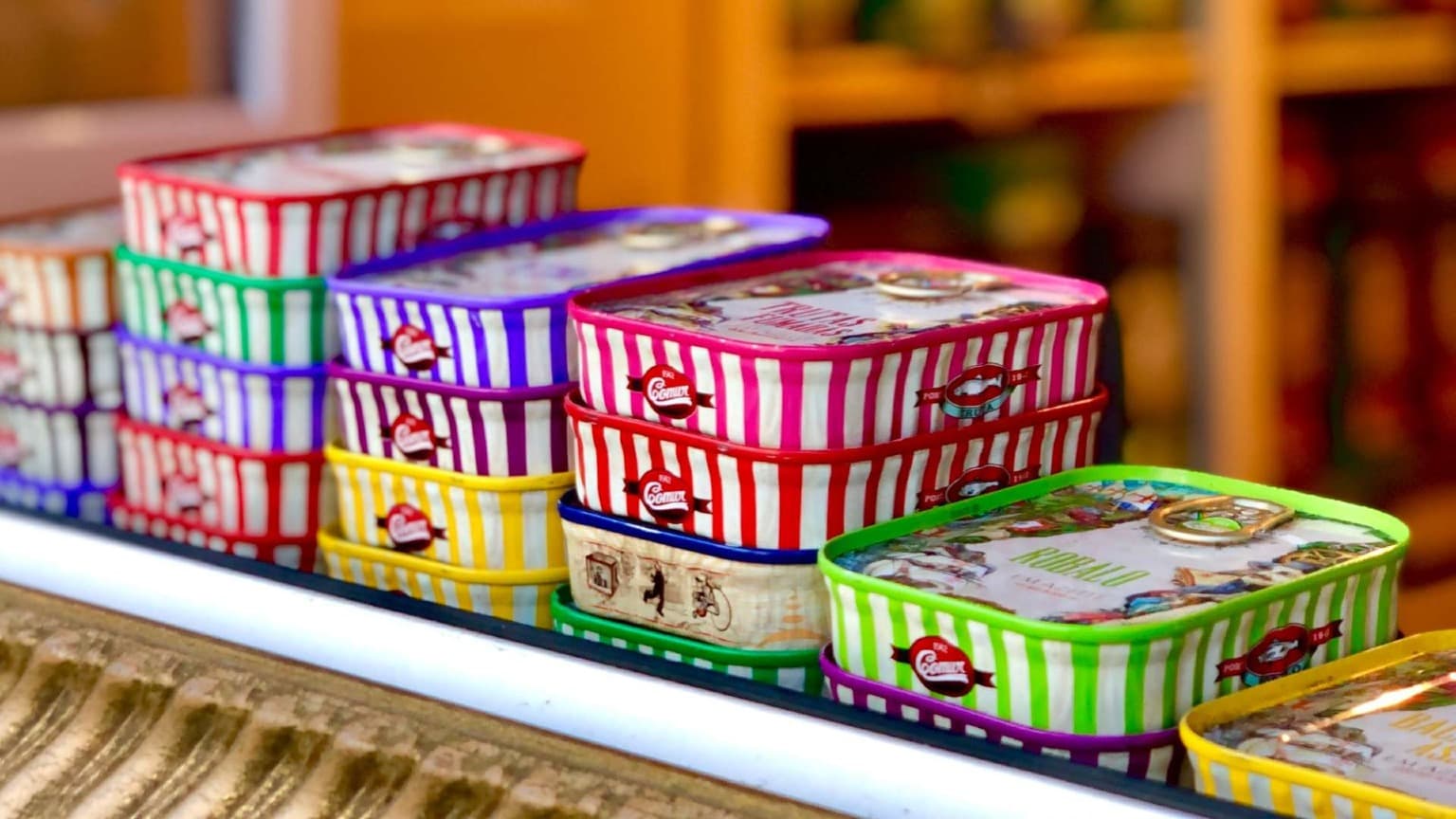
Colorful tins of Portuguese canned fish and sardines, one of the most iconic symbols of Portugal’s traditional conservas industry.
The Origins of Food Preservation and Canning
The foundations of modern food preservation began in the early 19th century when French inventor Nicolas Appert developed methods to preserve food in sealed containers. Shortly after, in 1810, Peter Durand patented the tin-plated metal container, enabling food to be stored and transported safely over long periods.
Portugal quickly adopted these innovations, particularly because of its strong fishing traditions and the abundance of Atlantic fish species. The ability to preserve seafood allowed Portugal not only to reduce waste but also to develop an industry capable of exporting its products worldwide.
The Birth of the Portuguese Canning Industry
The Portuguese canning industry began in Setúbal, near Lisbon, where the first fish canning factory was documented in 1854. The industry expanded rapidly during the late 19th and early 20th centuries, fueled by growing demand across Europe.
Northern Portugal soon became an important production hub. Cities such as Matosinhos, Leça da Palmeira, Porto, and Póvoa de Varzim developed thriving canning factories thanks to their proximity to major fishing ports and transport routes.
By 1938, Portugal had approximately 152 fish canning factories, many of which supplied food during the First and Second World Wars, reinforcing the country’s role as a key seafood exporter.
Why Sardines Became Portugal’s Most Famous Preserve
Among the many fish preserved in Portugal, sardines quickly became the most iconic product. The Atlantic coast provides ideal conditions for sardine fishing, and the species has long been a staple of Portuguese cuisine.
Portuguese sardines gained international recognition because of their:
• High-quality Atlantic fish
• Preservation in premium olive oil
• Traditional hand-packing techniques
• Balanced flavor and texture
Today, sardines remain the symbol of Portugal’s canned seafood industry and are exported worldwide.
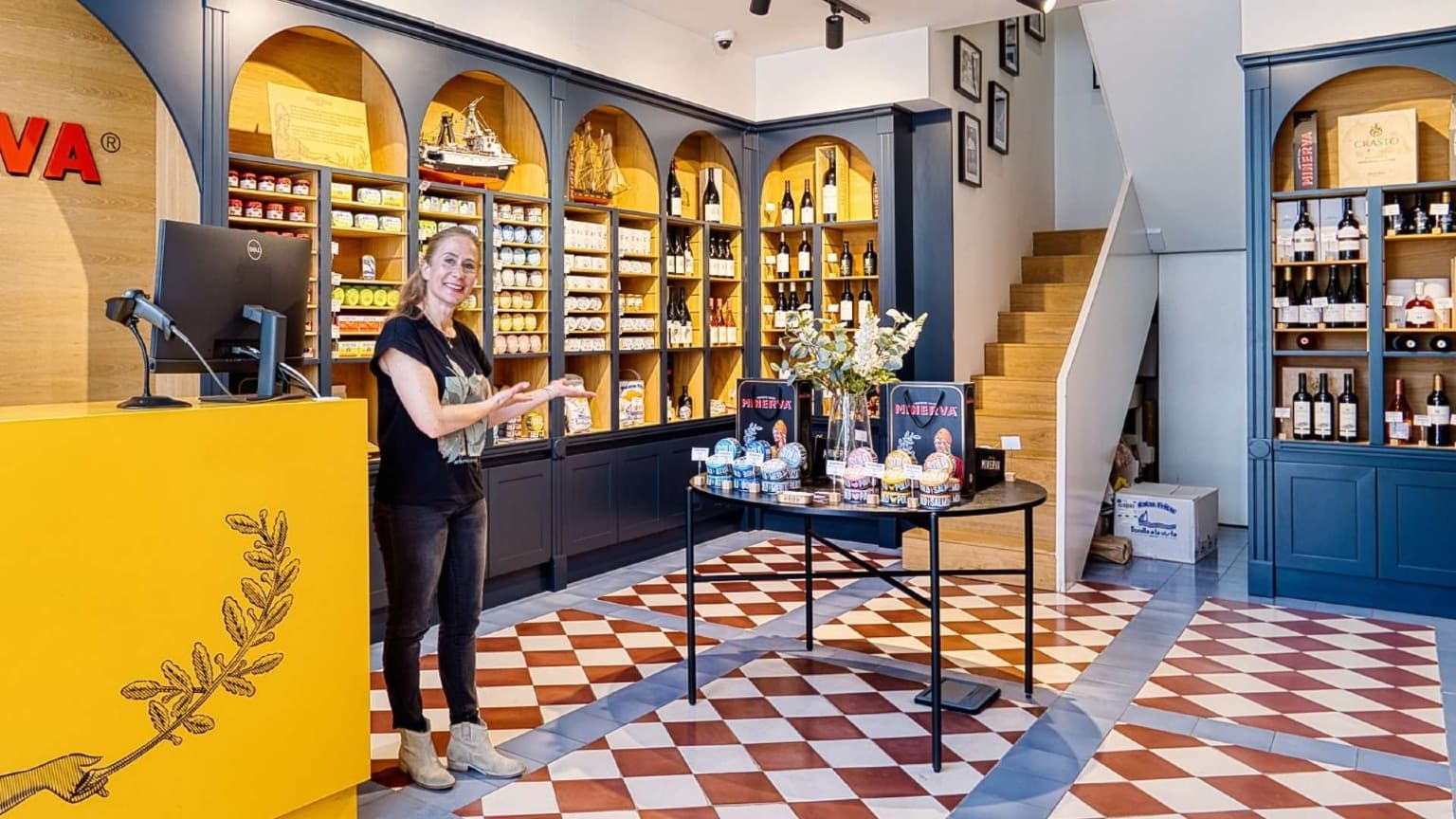
A traditional Porto shop showcasing Portuguese canned fish and conservas, a highlight of the city’s historic food culture.
Northern Portugal and the Sardine Industry
Northern Portugal played a crucial role in the development of the sardine canning industry. The fishing ports of Matosinhos and Póvoa de Varzim became central locations for processing sardines and other Atlantic fish species.
These factories provided employment for thousands of workers and contributed significantly to the region’s economy and social development.
Some modern factories still operate today and have opened their doors to visitors, creating opportunities for industrial tourism experiences where guests can learn about the history and production of Portuguese canned fish.
Portuguese Gourmet Conservas Today
In recent decades, Portuguese canned fish has undergone a remarkable transformation. What was once considered a simple preserved food has become a gourmet product celebrated by chefs and food lovers around the world.
Modern Portuguese conservas now include a wide variety of seafood such as:
• Sardines
• Tuna
• Mackerel
• Octopus
• Squid
• Cod
• Anchovies
• Fish roe
These products are often enhanced with ingredients like olive oil, tomato, garlic, lemon, onion, piri-piri, parsley, or thyme, creating rich and distinctive flavors.
Another recognizable feature of Portuguese canned fish is its vintage-inspired packaging, which has become iconic in gourmet food shops and markets.
Portuguese Canned Fish as a Culinary Experience
In Portugal, canned fish is not simply stored food; it is part of everyday gastronomy.
You will often find sardines and other seafood preserves served:
• on toasted bread
• in traditional petiscos (Portuguese tapas)
• in salads
• as part of seafood tasting plates
Some products, such as sardine roe preserved in olive oil, are even considered delicacies and are sometimes referred to as Portuguese caviar.
Markets, gourmet stores, and traditional restaurants throughout Porto and Lisbon proudly showcase these products as part of the country’s culinary identity.
Visitors exploring Porto’s gastronomy often discover local products in traditional markets such as Mercado do Bolhão, where fresh seafood, regional ingredients, and Portuguese conservas are part of daily life.
Discover Portuguese Conservas in Porto
Porto is one of the best places to explore Portugal’s canned fish tradition. From historic markets to specialized food shops and wine bars, visitors can discover a wide range of sardines and seafood preserves paired with local wines.
Porto’s culinary culture also includes iconic dishes such as the famous Francesinha sandwich, one of the city’s most recognizable comfort foods.
Experiences such as local food tastings and guided food tours in Porto, like our Porto Food Tour, often introduce visitors to these products while sharing the stories behind their production and cultural significance.
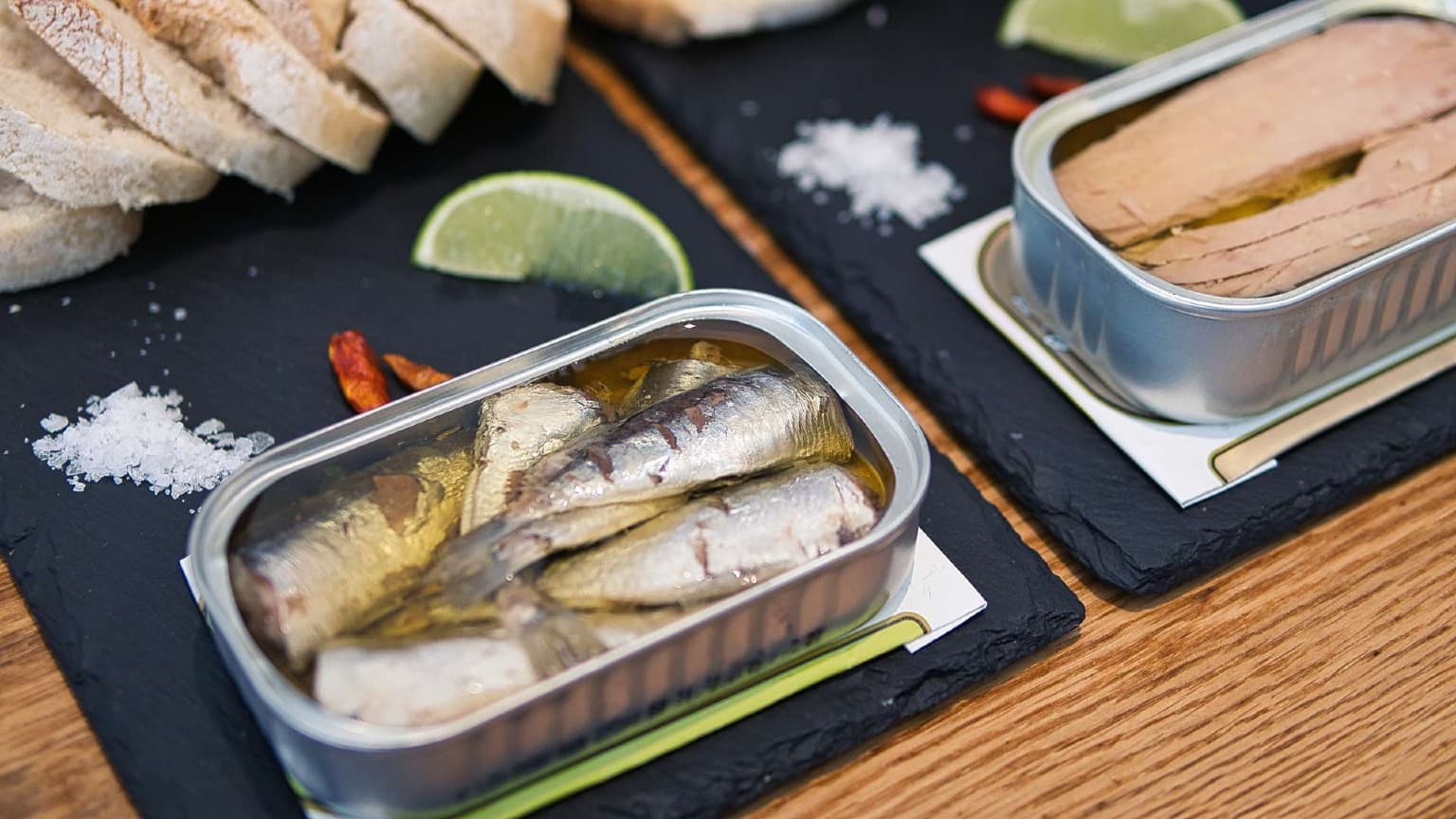
Tasting Portuguese gourmet conservas and sardines, a traditional experience often included in a Porto food tour exploring local gastronomy.
A Living Tradition of Portuguese Gastronomy
More than two centuries after the first preservation techniques were introduced, Portugal’s canning industry remains an important part of the country’s culinary heritage.
From the fishing boats of the Atlantic coast to the colorful tins displayed in gourmet shops, Portuguese canned fish tells the story of innovation, maritime tradition, and the enduring connection between Portugal and the sea.
For anyone interested in food culture, seafood traditions, or authentic Portuguese flavors, exploring the world of Portuguese conservas is an unforgettable experience.
Frequently Asked Questions About Portuguese Canned Fish
Written by Gonçalo Castanho, founder of Cooltour Oporto and a Porto-based tourism entrepreneur with over 20 years of experience creating immersive and responsible travel experiences across Portugal.