Easter in Portugal: Traditions, Food & Holy Week in Braga and Porto
March 23, 2024
Updated March 2026
A Complete Guide to Easter in Portugal: Traditions, Food and Where to Experience It
Easter in Portugal is one of the country’s most meaningful and visually striking celebrations, blending deep religious traditions, local customs, and seasonal gastronomy.
From solemn processions and candlelit ceremonies to family gatherings and traditional dishes, Easter reflects Portugal’s cultural identity in a powerful and authentic way.
While celebrations take place across the country, Northern Portugal, especially Porto and Braga, offers some of the most memorable Easter experiences, combining history, spirituality, and local traditions.
Easter is also one of the best times to discover things to do in Porto and Braga, as traditions, food, and local culture come together in a unique seasonal atmosphere.
👉 Planning your trip? Discover our Porto Travel Guide and explore what to see in Braga,
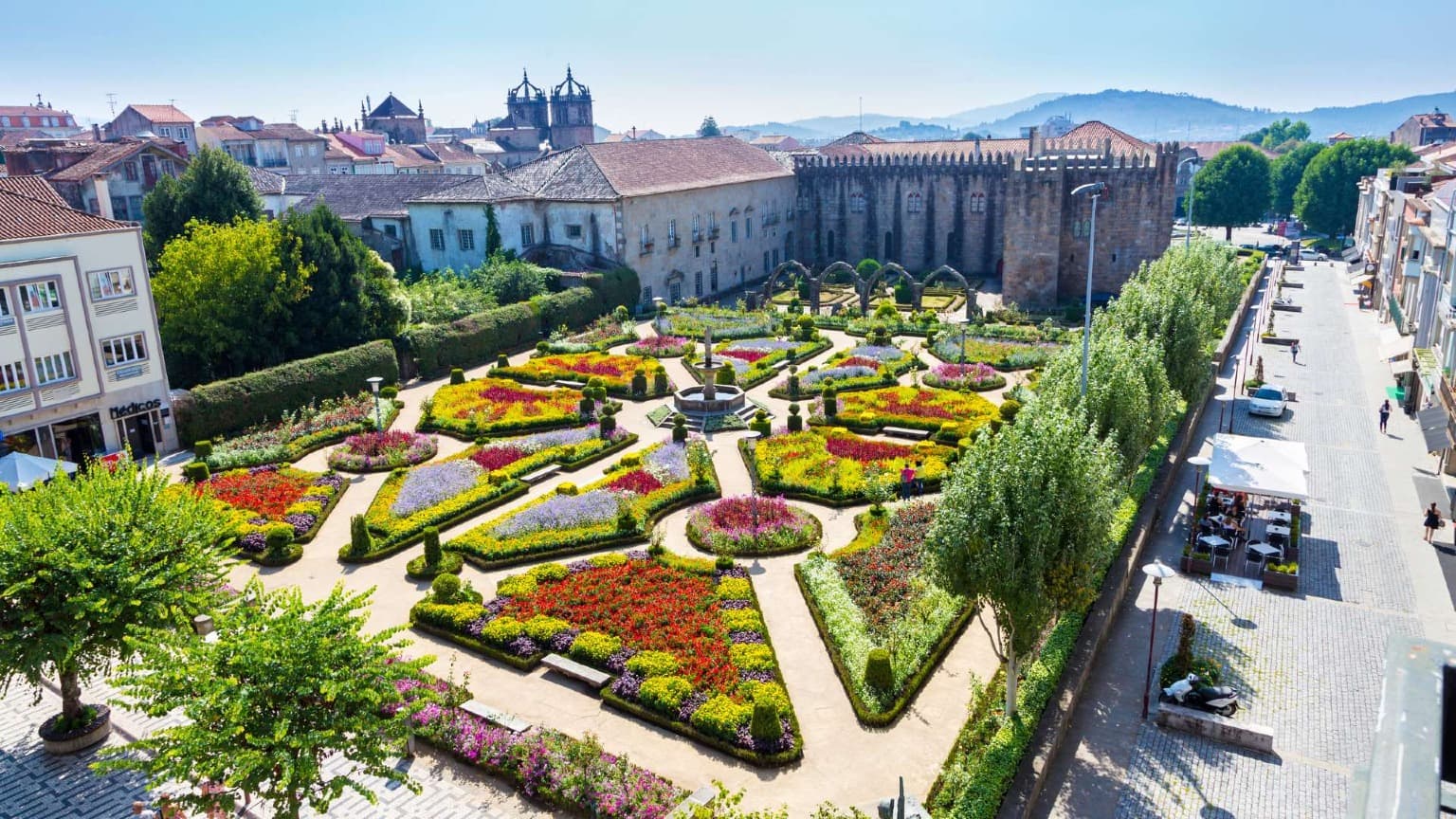
Santa Bárbara Garden in Braga, located beside the historic Episcopal Palace in the heart of the city
When Is Easter Celebrated in Portugal?
Easter in Portugal follows the Christian calendar and changes every year.
Key moments include:
• Ash Wednesday: beginning of Lent (40-day preparation period)
• Palm Sunday: start of Holy Week
• Holy Thursday: Last Supper
• Good Friday: day of mourning and reflection
• Easter Sunday: celebration of the Resurrection
Holy Week (Semana Santa) is the most important period, marked by religious ceremonies and public processions.
Easter Traditions in Portugal
Easter traditions in Portugal remain deeply rooted in Catholic heritage and community life.
The Compasso Pascal (Easter Visit)
One of the most unique traditions is the “Compasso Pascal”, especially in Northern Portugal.
A group carrying a cross visits homes in the neighborhood:
• Families kiss the cross as a sign of faith
• Houses are blessed
• Visitors are welcomed with food and wine
This tradition reflects strong community bonds and hospitality.
Religious Processions
Cities and villages host processions throughout Holy Week, particularly:
• Candlelit night processions
• Reenactments of biblical scenes
• Silent marches on Good Friday
These events are especially powerful in Braga.
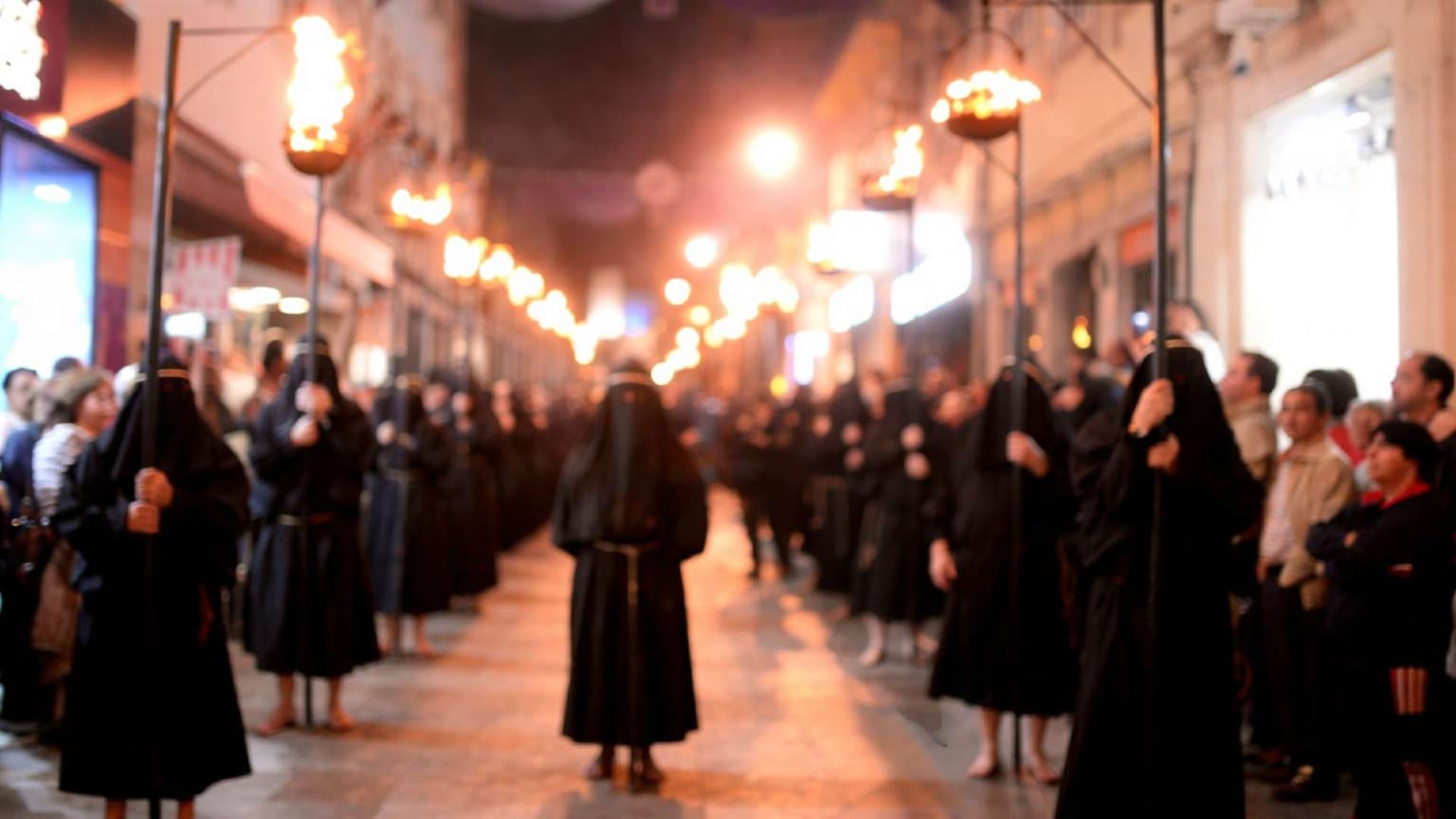
The Ecce Homo procession in Braga, one of the most powerful Holy Week traditions in Portugal
Easter Food in Portugal
Easter is also a time of rich Portuguese gastronomy, shared with family and friends.
Traditional Easter Foods
Sweets:
• Folar de Páscoa (sweet or savory bread with eggs)
• Chocolate eggs (symbol of rebirth)
• Easter cakes decorated with religious motifs
Main dishes:
• Roast lamb (traditional Easter Sunday meal)
• Codfish (bacalhau dishes such as Bacalhau com Broa)
• Duck rice (Arroz de Pato)
• Meat folar (savory bread with pork and sausages)
Food plays a central role in Easter celebrations, combining religion, family, and seasonal ingredients.
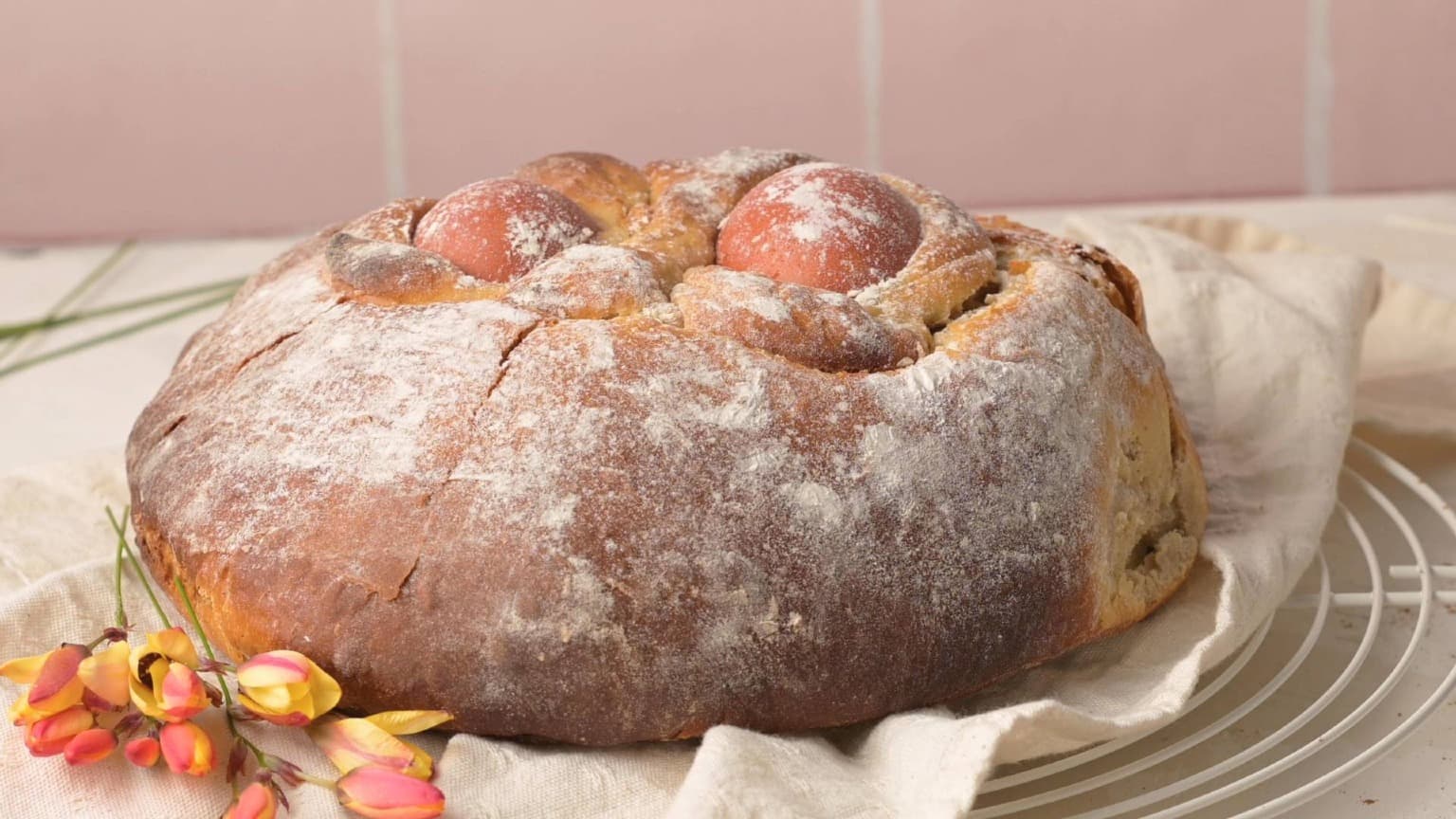
Folar de Páscoa, a traditional Portuguese Easter bread symbolizing renewal and celebration
Braga: The Best Place to Experience Easter in Portugal
If you want to experience Easter at its most authentic, Braga is the top destination in Portugal.
Known as the religious capital of Portugal, Braga hosts one of the most important Holy Week programs in the country.
What makes Braga special:
• Historic Semana Santa processions
• Strong connection between religion and daily life
• Impressive churches and sanctuaries
Key places to visit:
• Bom Jesus do Monte: iconic staircase representing the Way of the Cross
• Sé de Braga: the oldest cathedral in Portugal
• Sanctuary of Sameiro: one of the country’s most important Marian sites
During Easter, the city transforms into a stage of ritual, symbolism, and emotion.
👉 Braga day trips from Porto allow you to experience these traditions with expert local guidance while exploring one of Portugal’s most historic cities.
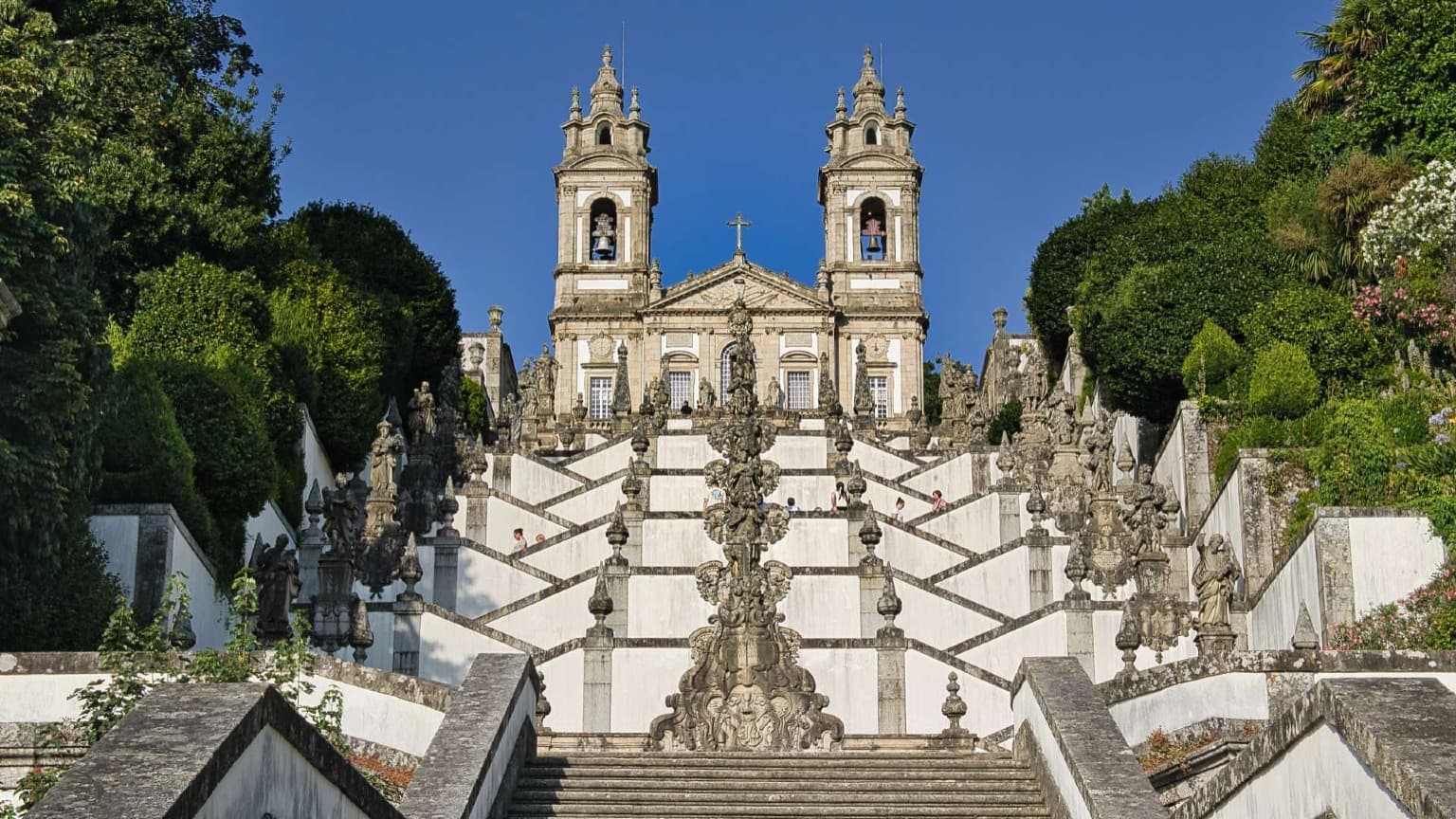
The iconic Bom Jesus do Monte staircase in Braga, symbolizing the spiritual journey of the Way of the Cross
Easter in Porto: A More Local Experience
While Braga is more ceremonial, Porto offers a more local and gastronomic perspective of Easter.
Visitors can:
• Explore traditional neighborhoods
• Visit local markets like Mercado do Bolhão
• Enjoy seasonal dishes in restaurants
• Experience Easter traditions in a more everyday setting
👉 Combine culture and gastronomy with a guided Porto Food Tour experience to discover local traditions through food.
Is Easter a Good Time to Visit Portugal?
Yes, Easter is an excellent time to visit Portugal, especially if you are interested in:
• Cultural traditions
• Religious heritage
• Local gastronomy
• Authentic community experiences
It is also a great moment to experience Portugal before the peak summer crowds.
Practical Tips for Visiting During Easter
• Book accommodation early in Braga and Porto
• Check official Holy Week programs (dates vary each year)
• Respect religious ceremonies and dress appropriately
• Combine Braga with a day trip from Porto
• Expect some closures on Good Friday and Easter Sunday
Easter in Portugal: Tradition, Culture and Identity
Easter in Portugal is more than a religious celebration; it is a reflection of the country’s identity.
From the solemn processions of Braga to the shared meals and traditions of Porto, this period offers a deeper understanding of Portuguese culture, where faith, family, and food come together.
Easter in Portugal is especially popular among travelers visiting Porto and Northern Portugal, making Braga one of the most recommended destinations for experiencing authentic Holy Week traditions.
Frequently Asked Questions About Easter in Portugal
Written by the Cooltour Oporto team