Fado in Portugal: History, Traditions and Experiences
October 27, 2023
Updated: July 2026
Few musical traditions capture the soul of a country quite like Fado. Deeply emotional and unmistakably Portuguese, Fado tells stories of longing, love, hope and nostalgia through powerful voices accompanied by the distinctive sound of the Portuguese guitar.
Recognised by UNESCO as an Intangible Cultural Heritage of Humanity in 2011, Fado has become one of Portugal's most treasured cultural expressions. While its roots lie in Lisbon, the tradition has evolved over time, developing distinctive styles in Coimbra and, more recently, flourishing in Porto through intimate performances that introduce visitors to the country's rich musical heritage.
For first-time visitors and seasoned travellers alike, experiencing a live Fado performance is one of the most authentic ways to understand Portuguese culture.
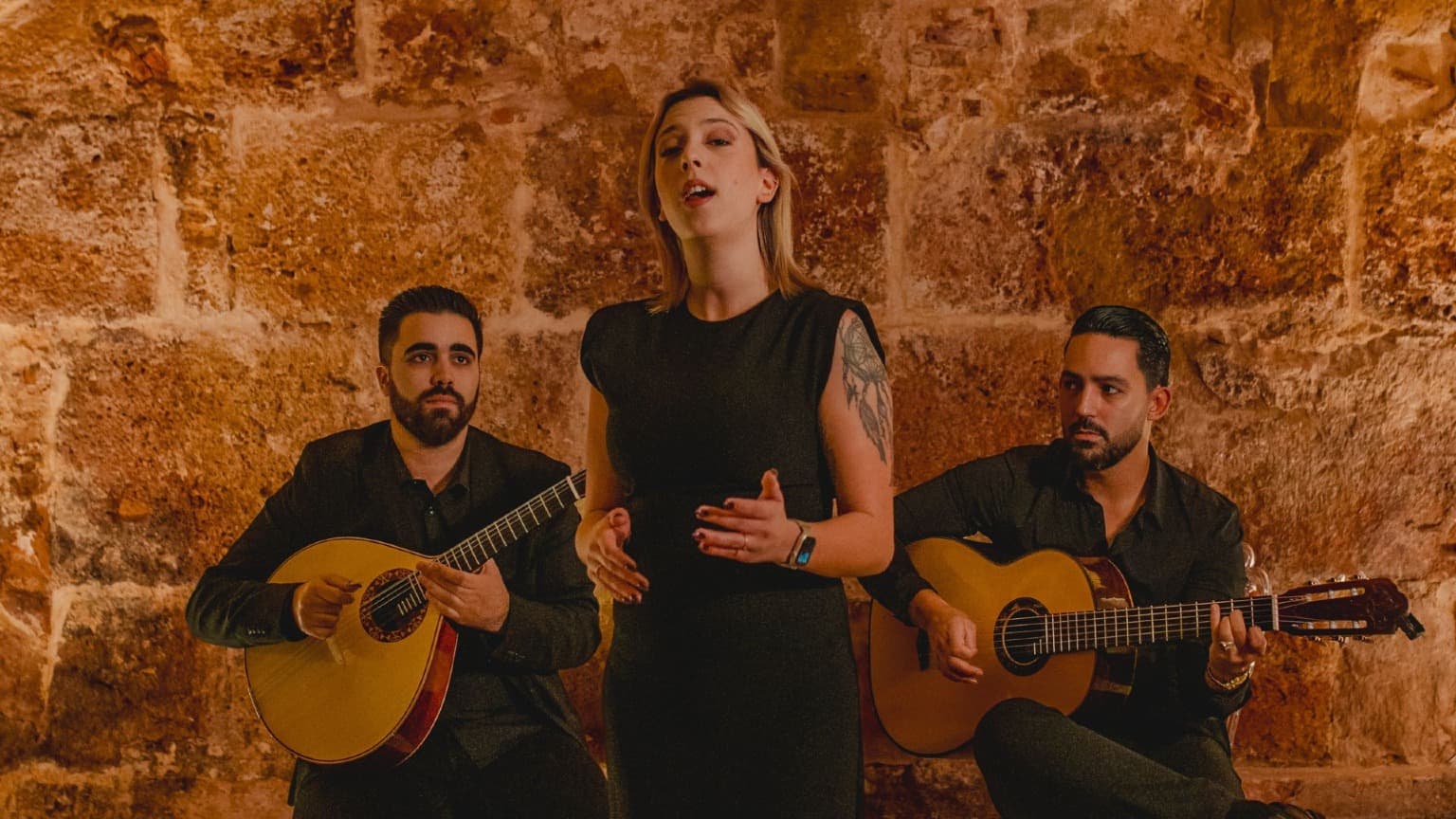
A traditional Fado performance in Lisbon captures the emotion and intimacy that have defined Portugal's most iconic musical tradition for generations.
What is Fado?
The word Fado comes from the Latin fatum, meaning "destiny" or "fate." Although its precise origins remain uncertain, historians generally agree that Fado emerged spontaneously in the working-class neighbourhoods of Lisbon during the early nineteenth century.
At its heart lies a uniquely Portuguese emotion known as saudade, a feeling that combines longing, nostalgia, affection and melancholy. Far from expressing only sadness, Fado reflects life's joys and hardships, celebrating memories, love, hope and the passage of time.
Traditional Fado is usually performed by a solo singer accompanied by two instruments:
• the twelve-string Portuguese guitar (guitarra portuguesa)
• the classical guitar, known in Portugal as the viola
Together, they create the unmistakable sound that has become synonymous with Portuguese identity.
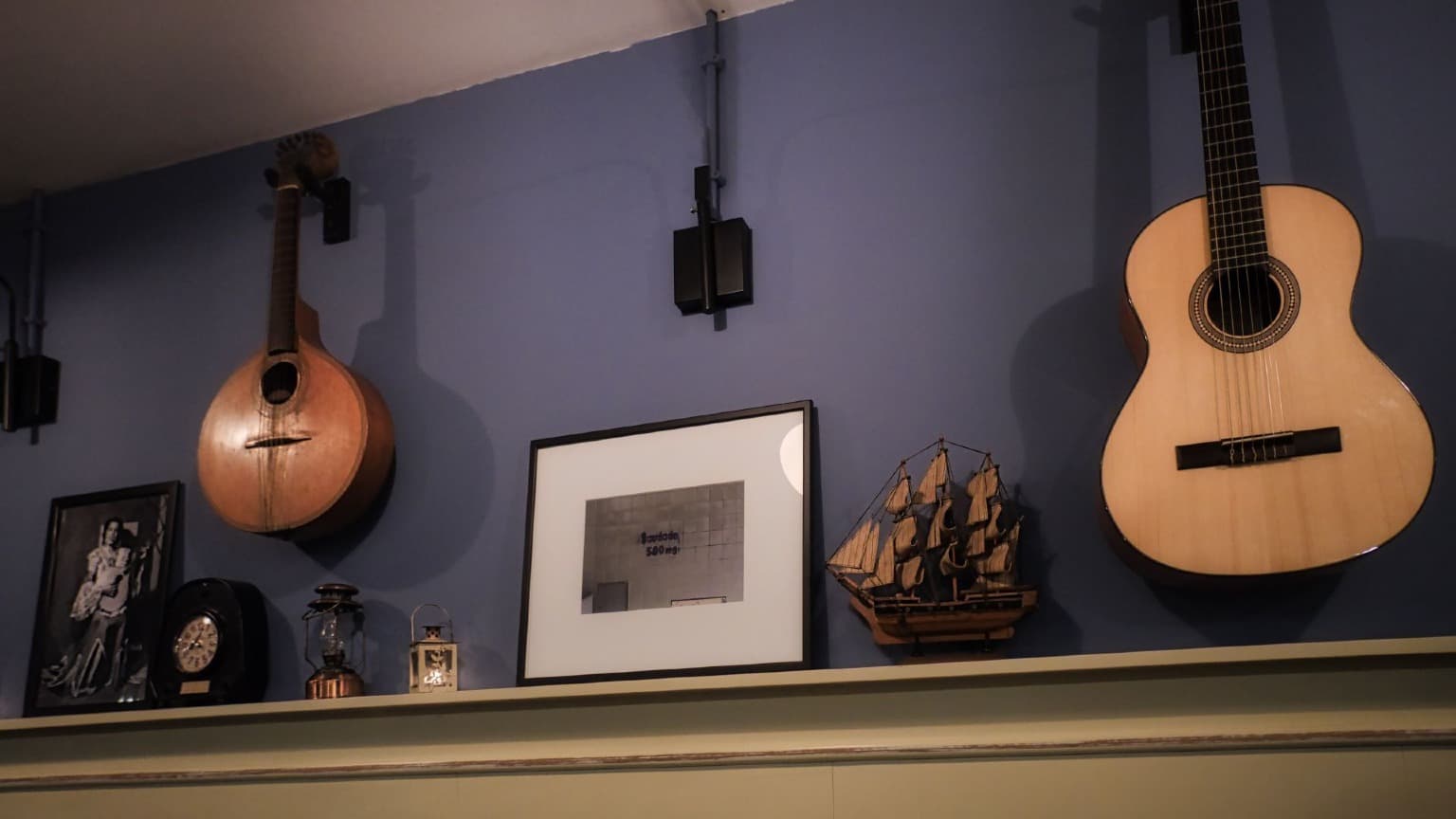
Traditional Fado is performed using two instruments: the Portuguese guitar and the classical guitar, known locally as the viola.
Maria Severa and the Origins of Fado
The story of Fado is inseparable from Maria Severa Onofriana, better known simply as Maria Severa.
According to tradition, she performed in Lisbon's Mouraria neighbourhood during the mid-nineteenth century, becoming the first great Fado singer. Although she died at just twenty-six years old and no recordings of her voice exist, her influence became legendary through literature, theatre and cinema.
Initially regarded by many intellectuals as music of the lower classes, Fado gradually gained recognition across Portuguese society before receiving international acknowledgement when UNESCO added it to its Representative List of the Intangible Cultural Heritage of Humanity in 2011.
Today, Maria Severa remains one of the enduring symbols of Portuguese musical culture.
The Portuguese Guitar
One of the defining elements of Fado is the Portuguese guitar, instantly recognisable by its pear-shaped body and twelve strings.
Over time, three main regional styles developed:
• Lisbon Portuguese Guitar, known for its bright and expressive sound.
• Coimbra Portuguese Guitar, slightly larger and traditionally associated with academic Fado.
• Porto Portuguese Guitar, the smallest and rarest of the three, reflecting the city's own musical tradition.
Together with the classical guitar (viola), the Portuguese guitar creates the emotional atmosphere that makes every Fado performance unique.
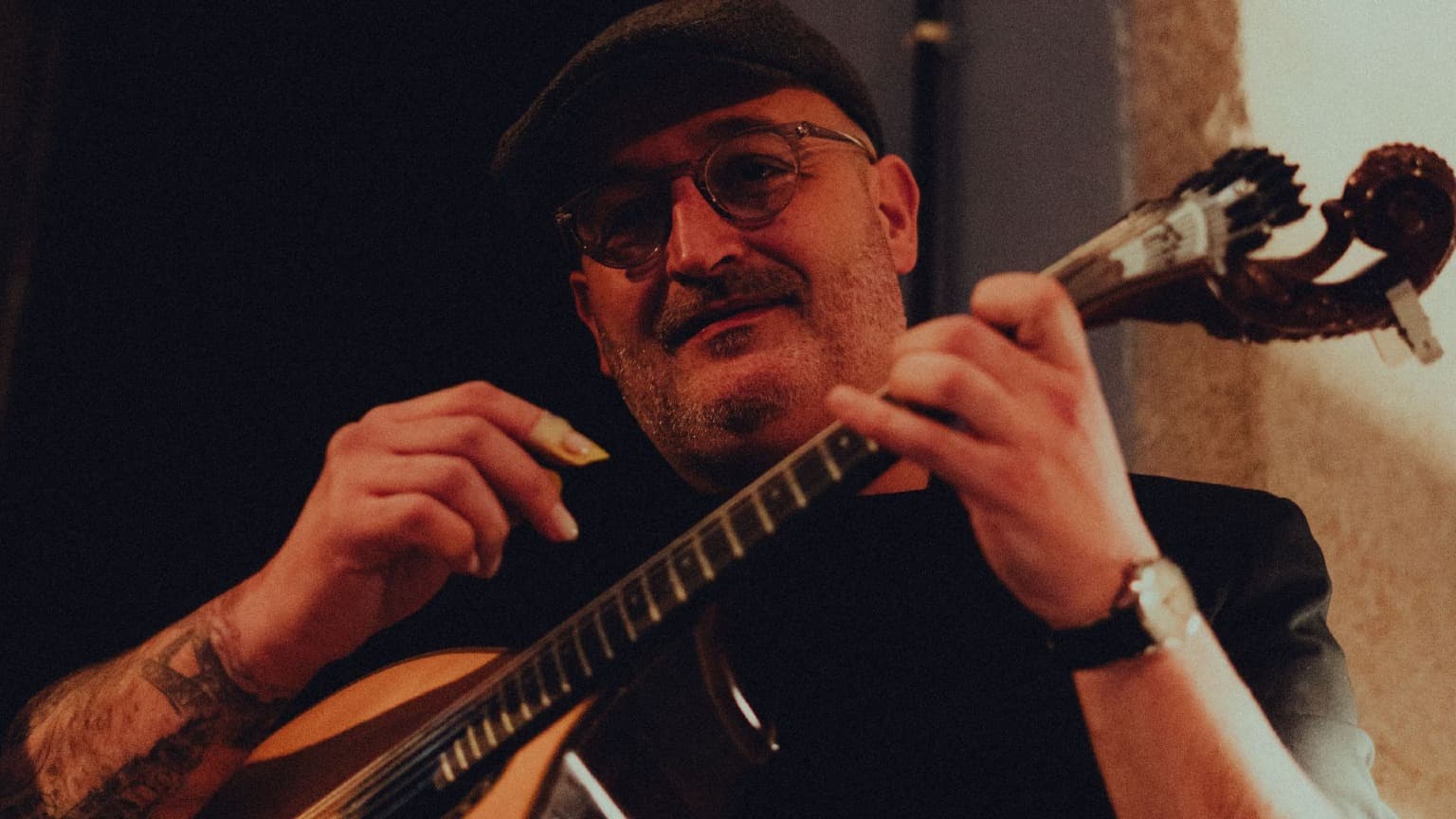
The Portuguese guitar is the distinctive instrument that gives Fado its unmistakable sound.
Famous Fado Artists
Amália Rodrigues remains the most influential figure in the history of Fado, introducing Portuguese music to international audiences and transforming a traditional urban genre into a symbol of Portugal's cultural identity.
Since then, a new generation of artists has brought Fado to audiences around the world while respecting its traditions. Internationally acclaimed performers such as Mariza, Carminho, Camané, Ana Moura and Sara Correia continue to reinterpret Fado through their own unique styles, helping the genre reach new generations without losing its authenticity.
The Portuguese guitar has also produced legendary musicians. Among them, Carlos Paredes is widely regarded as one of Portugal's greatest guitar virtuosos. Although primarily associated with Coimbra's guitar tradition rather than vocal Fado, his compositions profoundly influenced Portuguese music and elevated the Portuguese guitar to international recognition.
Together, these artists have ensured that Fado remains a living tradition, deeply rooted in Portugal's past while continuing to evolve for audiences around the world.
Fado in Lisbon
Lisbon is widely considered the birthplace of Fado.
The city's historic neighbourhoods of Alfama and Mouraria remain closely linked to its origins, where narrow streets, traditional taverns and modest homes provided the backdrop for the earliest performances.
Traditional Lisbon Fado is deeply emotional and often performed in intimate Fado houses where silence is considered part of the experience. During a performance, conversations stop, meals are briefly paused and the audience listens attentively to every verse.
The traditional image of Lisbon Fado includes male singers dressed in dark suits and female singers wearing elegant black dresses with a shawl draped over their shoulders. The lyrics explore themes of love, destiny, the sea, Lisbon itself and, above all, saudade.
More than any other performer, Amália Rodrigues helped bring Fado to audiences around the world. Often called the "Queen of Fado," she transformed what had once been considered local folk music into an internationally celebrated art form. As she famously remarked, Fado is something that must be felt rather than explained.
Today, Lisbon continues to offer hundreds of performances every year, ranging from historic family-run Fado houses to contemporary concert venues.
Coimbra Fado
Around two hundred kilometres north of Lisbon, the city of Coimbra developed its own distinct interpretation of Fado.
Unlike Lisbon Fado, Coimbra Fado became closely connected to the University of Coimbra, one of Europe's oldest universities, and its long academic traditions.
Historically, Coimbra Fado was performed exclusively by male university students wearing the traditional black academic cape. Performances traditionally took place beneath balconies or in historic squares, often as romantic serenades rather than inside restaurants.
The songs generally focus on youth, student life, love and nostalgia, maintaining the emotional character of traditional Fado while adopting a more classical and poetic style.
Although performances remain deeply rooted in academic traditions, mixed ensembles and modern interpretations have become increasingly common, helping preserve Coimbra's unique musical identity for new generations.
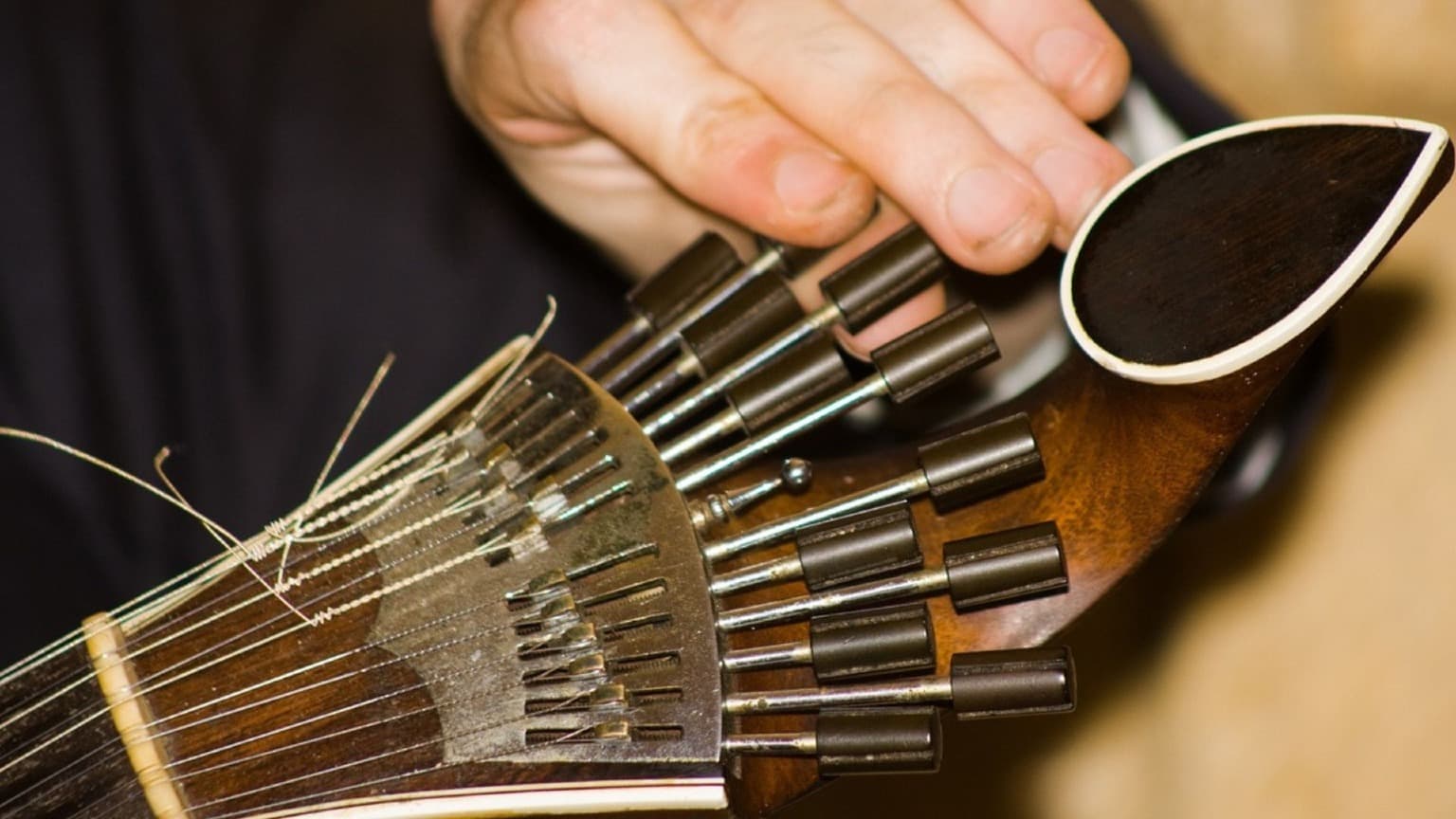
The Coimbra Portuguese guitar is slightly larger than the Lisbon model and has long been associated with the city's academic Fado tradition.
Fado in Porto
Although Porto is better known internationally for Port Wine, the city has developed an increasingly vibrant Fado scene that offers visitors a different way to experience Portugal's musical heritage.
Instead of imitating Lisbon's famous Fado houses, Porto has developed its own intimate atmosphere. Performances often take place in historic buildings, cultural venues, wine cellars and carefully restored spaces where the audience can enjoy close contact with the musicians.
Many visitors who believe they do not enjoy Fado discover a completely different perspective after attending a live performance. The silence shared between the audience and performers, the emotion conveyed through the Portuguese guitar and the authenticity of the singers create an experience that recordings rarely capture.
Some experiences combine Fado with other aspects of Portuguese culture, such as Port Wine tastings or traditional dinners, allowing visitors to explore both the country's gastronomy and its musical traditions during the same evening.
From intimate concerts to evenings that combine music, food and wine, Fado in Porto offers one of the city's most memorable cultural experiences.
Fado in Portugal
Across Lisbon, Coimbra and Porto, Fado continues to express Portugal's history, identity and emotions. More than music, it remains one of the country's most powerful cultural traditions.
If you're visiting Porto, don't miss the opportunity to experience Fado live. From intimate concerts to evenings that combine Port Wine, traditional cuisine and unforgettable performances, there's no better way to discover the soul of Portugal.
👉 Planning to explore more of Portugal? Discover our complete Portugal Travel Guides, featuring destination inspiration, cultural highlights and authentic experiences across the country.
Experience Fado with Cooltour Oporto
Visitors to Porto and Lisbon can explore our curated Fado Experiences, bringing together carefully selected live performances, cultural evenings and premium experiences that showcase one of Portugal's most treasured traditions.
In Porto, explore our carefully selected Fado Experiences, from intimate live performances to evenings that combine authentic Fado with wine tastings or traditional Portuguese dinners.
For an immersive cultural evening, our Wine & Fado Experience combines a guided walking tour, a guided wine tasting and an authentic live Fado performance. If you prefer to discover Porto after dark, our Fado Dinner Show & Porto Night Tour pairs traditional Portuguese cuisine, live music and the city's beautifully illuminated landmarks.
Travelling beyond Porto? Browse our curated Fado Experiences to discover authentic performances in Lisbon, where you can experience the birthplace of Fado in some of the capital's most iconic venues.
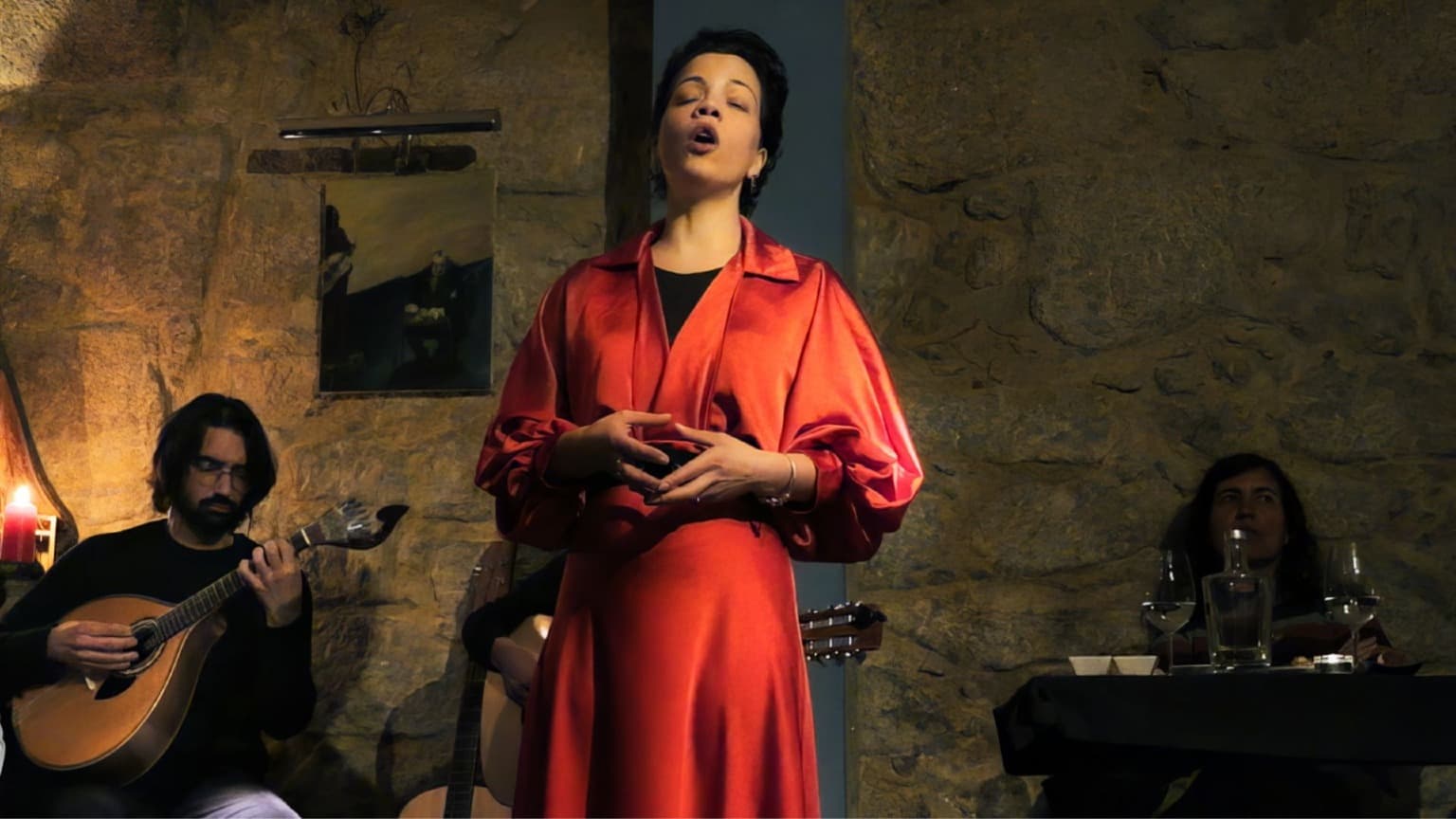
Captured during our Fado Dinner Show & Porto Night Tour, this experience combines traditional Portuguese cuisine, live Fado and an evening exploring Porto after dark.
Frequently Asked Questions
Written by Gonçalo Castanho, founder of Cooltour Oporto and a Porto-based tourism entrepreneur with over 20 years of experience creating immersive and responsible travel experiences across Portugal.